
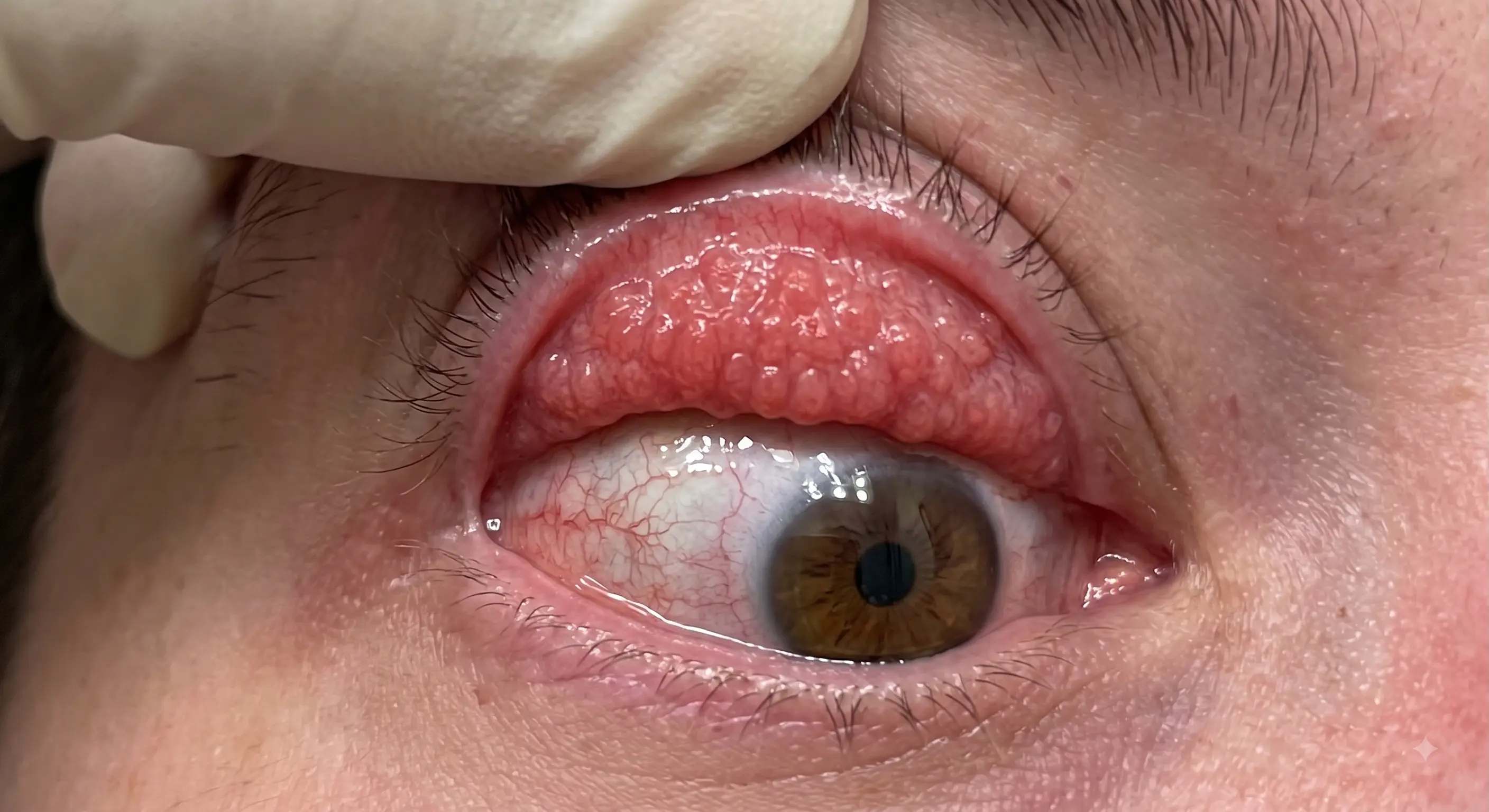
Allergic conjunctivitis is a prevalent immune-mediated response that can significantly detract from one’s daily comfort and visual clarity. While often perceived as a mere seasonal inconvenience, allergic eye disease can, in its more chronic forms, pose a sophisticated challenge to the health of the ocular surface.
Mr. Mrinal Rana specialises in the precise diagnosis and nuanced management of the full spectrum of ocular allergies from routine seasonal sensitivity to complex, sight-threatening inflammatory conditions.
Allergic conjunctivitis occurs when the conjunctiva the delicate, transparent membrane covering the white of the eye encounters environmental triggers. This contact initiates an immune cascade, releasing histamines and inflammatory mediators that result in the characteristic itching, redness, and swelling associated with the condition.
Unlike ocular infections, the defining characteristic of allergic conjunctivitis is persistent itching. Other hallmark symptoms include:
Understanding the timing of your symptoms is the first step toward a bespoke management plan:
Certain forms of ocular allergy are more aggressive and necessitate the vigilant oversight of a Consultant Ophthalmic Surgeon:
Predominantly affecting children and young adults, VKC is a chronic and intense inflammatory condition. It is characterized by "cobblestone" bumps under the eyelids and carries a risk of corneal "shield ulcers," which require urgent specialist intervention to protect vision.
Commonly associated with a history of eczema or asthma, AKC is a persistent, adult-onset condition. If left unmanaged, the chronic inflammation can lead to corneal scarring, early-onset cataracts, or even the development of keratoconus.
Often a consequence of long-term contact lens wear or ocular prostheses, GPC results from mechanical irritation and protein deposits. It often manifests as a sudden intolerance to contact lenses and mucus discharge.
A reaction to preservatives in eye drops, cosmetics, or contact lens solutions. This often involves both the surface of the eye and the surrounding eyelid skin (dermatoconjunctivitis).
Mr. Rana’s approach to treatment is "stepwise," ensuring that the intervention matches the severity of the disease while avoiding unnecessary medication.
Chronic eye rubbing often the result of untreated allergy is a primary risk factor for corneal thinning and keratoconus. By controlling the "itch-scratch cycle" through expert medical management, Mr. Rana doesn't just restore comfort; he protects the structural integrity of your eyes for the future.
If you are struggling with persistent redness, itching, or light sensitivity, a specialist assessment is essential to differentiate between simple allergy and more complex inflammatory disease.
Request a consultation with Mr. Rana to develop a tailored, evidence-based plan for your ocular health.
